
How to Deal With Valentine's Day Heat!

personalmaintenance

Regardless of the weather, things get hot around Valentine's Day. Some feel the heat, anticipating a date with a special someone. Others feel their cheeks flush warm after the second glass of wine, longing for their crush to ask them out.

Whatever has you feeling the heat this Valentine's Day, you need your HVAC system running at its best to keep you comfortable. If you want to save money on future repairs, creating a solid plan will keep your HVAC system running smoothly for years to come. Keep reading for tips on maintaining your air conditioning and heating system!

Try These 3 Tips to Keep Your Central HVAC in Top Shape

When you think about the hot months, you probably don't think about February. However, throughout the month, temperatures can fluctuate wildly. That's why it's a good idea to make a plan to keep your central HVAC system in good working order. If you follow these tips and work with a professional to care for your system, you can prolong the life of the system and save yourself a lot of money!

1. Find a Professional Heating Service
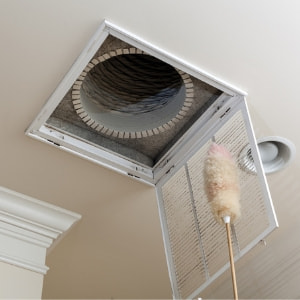
procleaningFew things are more insensitive than an HVAC system. The system turns on and off according to the program you set.

You need to find a heating and cooling service that will be there for you when you need them most.

You don't want to get stuck freezing in the winter because your HVAC system failed, and you don't know a reliable professional to fix it! Take the time to research a reputable company now, before you need them.

2. Replace Your AC Filters

changefilterOne of the easiest, least expensive, but often overlooked action to protect your unit is to replace your system's filters every year.

A home accumulates an estimated 40 pounds of dust, pet dander, and other particles throughout a year.

Your air filter has to be able to keep air flowing while trapping as much of those particles as possible.

If the air filter gets clogged, however, the efficiency of the unit drops. Not only can this lead to system failure, but your system will also have to work extra hard, which can lead to higher energy bills. Do your HVAC system a favor and change the air filters!

3. Program Your Thermostat

You always want your home to be the perfect temperature when you're there. But what about when you're not there? Should your heating and cooling system work hard to maintain the temperature in an empty house? Programming your thermostat to lighten the load when you're not at home will not only prolong the life of your unit because it doesn't have to work so hard, it will also save you money!

As you're sipping a glass of wine and waiting to make plans with your Valentine's Day crush, take a moment to look for a reliable professional to help you maintain your heating and cooling system. Call Honest Abe's Home Services! We proudly serve Osage Beach and surrounding areas!
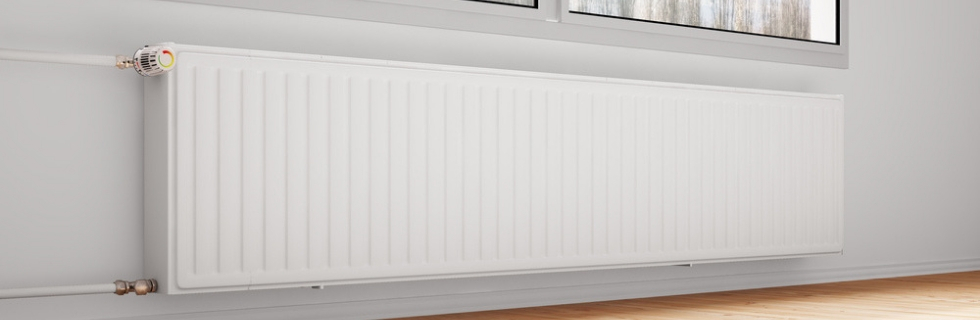

Heating Technologies For The 21st Century

Today's heating technologies have brought us a long way from the Neanderthal fire pits. Modern appliances can heat our homes, cook our food and wash our clothes. There is heating technology available for every type of home in every type of climate. Solar, geothermal, heat pumps, oil, gas, electric, whatever the mechanics, there is one that will suit your home.

Your local climate, location, and square footage are some of the factors to consider when choosing a type of heating technology. About 7% of energy consumption in the U.S. Americans consume electricity consumption. Smart heating systems offer lower energy costs and enhanced efficiency.

Solar Heating

Solar heating is a type of heating technology that uses solar energy to heat a fluid. Solar heat is transferred indoors, or it can be stored for use in the future. It utilizes the sun’s heat energy located on top of your roof.

A fan then will pull warm air from the roof to be filtered before it is transported throughout the house. Not only is solar heating very affordable, but it is also very energy efficient.

Geothermal Heating

The process of extracting heating from the center of the earth is called geothermal heating. It is a very inexpensive way to heat your home that utilizes less electricity than today’s conventional systems. Another benefit of geothermal heat is its longevity. They are estimated to last more than fifty years.

A geothermal heat pump uses the earth's heat to warm your home in the wintertime and transports this heat from the house back to the earth's surface in the summer. Many of today's homes use geothermal water from the earth's core for heating. It is also used in greenhouses for keeping plants warm in frigid cold temperatures.

Heat Pumps

A heat pump carries warm air from wherever it is needed. A heat pump pulls in outdoor heat and transfers it indoors as it uses less electricity than conventional heating systems. When it is warm outside, heat pumps do the reverse, acting more like an air conditioner.

Heat pumps carry heat. They are powered by electricity and do not generate heat, which makes them very cost-effective. Heat pumps are a long-lasting heating and cooling option.

“homeheating”

Oil Heating

This type of heating uses liquid petroleum as a source of fuel. Oil is ignited inside a chamber where a heat exchanger heats fumes that pass through the components. The heat from inside the home is then delivered through the heat exchanger and sends the air through the ducts into the house.

Gas Heating

Gas heating offers a foolproof way to heat residential and commercial structures. Its efficiency is considerably less than that of electric heating. It allows heat from a forced-air system to be delivered at high temperatures. It reduces energy costs, and many utility companies even offer rebates. Gas heating meets the minimum efficiency requirements for contemporary heating appliances.

Electric Heating

Electric heating is a good option for milder climates. It uses electricity as its fuel source and requires very little maintenance. Electric heat pumps provide cooling and heating that is energy-efficient. They can be installed anywhere there is suitable space, and maintenance is relatively simple.

The heating and cooling experts at Honest Abe's Home Services in Osage Beach, MO, are standing by to give you reliable information on various heating technologies. They will be happy to help you choose the right heating technology for your home.

Ways to Rid Yourself of Bad HVAC System Smells

You notice that there is a peculiar odor inside your home, but you have no idea where it’s coming from. You suspect that your heating system is the culprit, but you are not sure. There could be several reasons for this, some more serious than others.

A leaking gas line, a century-old house, or a malfunctioning unit can produce strong odors inside your home. However, if you suspect you may have a gas leak in your home, leave the premises immediately and call 911.

Some unpleasant odors in the home are harmless. However, other smells are very dangerous and should not be ignored. It is advisable that you learn how to differentiate between an innocent odor and a life-threatening one. If you become familiar with these smells, you know when it’s time to call in for HVAC service.

The Smell of Sulfur or Rotten Eggs?

“gassmell”Natural gas itself is odorless, but a sulfur-like odor is added to it by utility companies so that you can detect a gas leak if it should ever occur. A gas leak should never be taken lightly. If it is not resolved quickly, it can cause a fire or explosion in your home and injury to you and others. Inhaling gas can also cause serious illness, even death. If you suspect you may have a gas leak in your home, leave the premises immediately and call 911.
If you notice a sulfur or rotten egg smell inside your home, this might be a clue to the possibility of a gas leak. If you determine that their gas is leaking, leave immediately and call a gas leak expert or your utility company.

This is what you should look out for:

  • Corroded fuel lines that lead to gas appliances.
  • Water bubbling or movement of the ground on your property.
  • A whistling, Hissing, or roaring sound coming from a gas appliance.
  • A gas pipeline has been exposed after a natural disaster such as an earthquake, hurricane, or flood.

What is That Old Musty Smell?

“oldsmell”Winter has arrived, and you turn on your furnace for the first time since last year, only to notice a smell reminiscent of a musty basement. This is particularly common in older homes. A musty odor can be caused by dirt and debris that has accumulated in your gas appliance and the air ducts.
This is not serious, and it usually goes away gradually. If the smell persists, however, it is possible that you may have a clogged filter. A clogged filter will cause dirt and dust to enter the motor.

You can resolve this by changing the air filter of your unit. If you live in an older house, leaky pipes, high humidity, or even a damaged roof can emit this offensive smell. Additionally, exposed ground in the crawlspace can build up moisture over the year resulting in mold growth behind the walls where you can’t see it. This will cause your entire home to smell like mildew.

You Smell Something Burning

“burntsmell”If you notice a sharp smell of ozone or burning diesel inside your home, check your heating system. Sometimes the bearings in your appliance will force the motor in the blower to bind, which forces the furnace to pull more electricity to push through.

That extra voltage can result in excessive heat buildup inside the appliance motor. This heat can melt wire insulation, and your appliance might produce electrical sparks that emit a burning smell.

If you notice any of these odors inside your home, call the experts at Honest Abe's Home Services in Osage Beach, MO, for an inspection of your heating system. For your convenience, 24/7 service is available.

What to Know Before Replacing Your Heating and AC at the Same Time

Have you been told that when you replace a furnace, you also have to replace the air conditioner and vice versa? Many homeowners have heard this before, and while it’s not strictly true, it is a fact that people do often replace both HVAC units at the same time.

But just because that’s what normally happens doesn’t mean that’s what you have to do, and there are different factors to consider when deciding if you need to replace your heating, your A/C, or both.

The Age of Your Units, Location of Your Home, & Retirement Plans

“retirement”Choosing to upgrade your air conditioner, furnace, or both isn't an easy decision, and there are many factors at play to consider. The issue that holds the most weight is the age and condition of your current appliances, because if your A/C and furnace are dying, then you’ll have to replace them both.


That being said, if one is reaching the end of its life, but the other is still in its prime, then you don’t necessarily have to upgrade one when you do the other. Where your home is located is another thing to consider, because the closer you are to a service area, the cheaper the installation will be.

However, the converse is also true, and if you live in a rural area far from a local HVAC company, then installation and service fees will be higher, and you can keep your costs lower by replacing both units at the same time and only having to pay one technician one time to come to your house for the installation.

Finally, retirement is another thing you'll want to think about because when you're retired, you're not going to want the headache of an A/C or furnace that’s always breaking down and in need of service, nor are you going to want the extra expense of replacing an expensive appliance. Therefore, if you're retirement is just around the corner, it can make sense to upgrade both units now.
“whatpros”

A Technician Can Help You Weigh Your Options

Furnaces and air conditioners have different lifespans and maintenance needs, and a trained technician will be able to diagnose any problems, give you a remaining lifespan estimate for your current units, and help you work through your options.

The technician can also give you an idea of how efficient your HVAC system is, and how much you could save on energy bills by upgrading.

Though Money May Be the Deciding Factor

“timeismoney”As with most major decisions, money will be a major element that could swing the pendulum in one direction or the other. For example, if you only have $2,000 to spend, then you probably can’t replace both units now and pay for the installation, so it'll make sense to replace the appliance that’s in most need of an upgrade and wait on the other one.

However, it’s worth noting that you might be eligible for certain discounts or rebates if you replace both at the same time, especially if you opt for energy-efficient units.

You don’t always have to replace a furnace or air conditioner just because you're upgrading the other, and an HVAC expert will be able to help you decide what's right for you and your home. Things you'll need to think about include the age of your current system, the location of your home and the cost of installation, your retirement plans, and your budget.