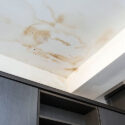
Signs Indicating a Water Heater Replacement Is Needed

Understanding When to Replace a Water Heater

Hot water is crucial for many things in a household, everything from showers to washing dishes and doing laundry, so when the water heater starts showing signs of trouble, it can affect daily life in a big way. Recognizing the warning signs that a water heater replacement may be needed helps homeowners avoid unexpected breakdowns and make informed decisions about their home's water heating.

Temperature Issues
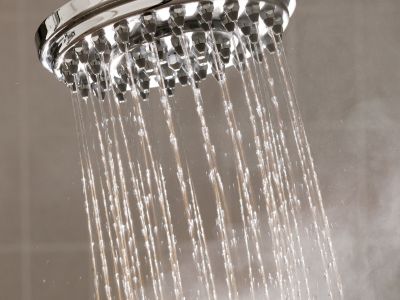
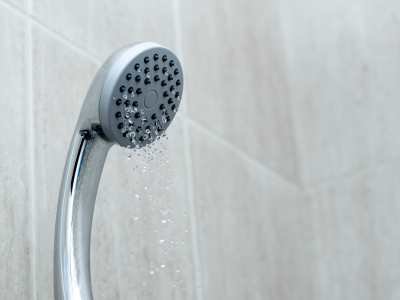
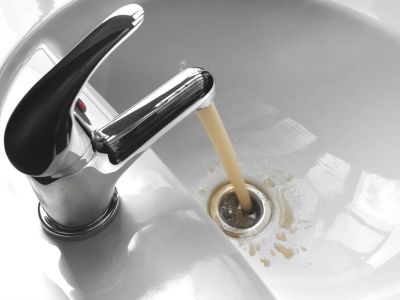
shower Problems with the water temperature are among the most noticeable signs that a water heater may need to be replaced. Inconsistent or uneven water temperatures, where the water fluctuates between hot and cold without any change at the tap, can signal that the unit is struggling to maintain reliable performance. Running out of hot water much faster than usual is another common complaint, often indicating that the water heater is performing poorly and may need replacement.

In some cases, the water heater may stop producing hot water entirely. While a complete loss of hot water can sometimes be traced to a relatively simple fix, such as a faulty thermostat or a tripped breaker, it can also point to a more serious internal failure. When temperature issues occur, and repairs no longer provide lasting results or aren’t cost-effective, it is a sign that water heater replacement is the most practical next step.

Corrosion or Leaks
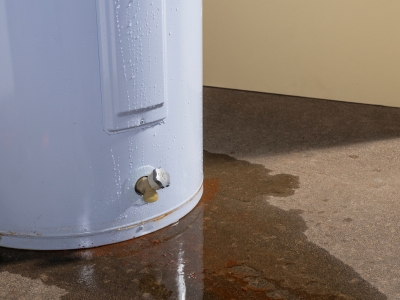
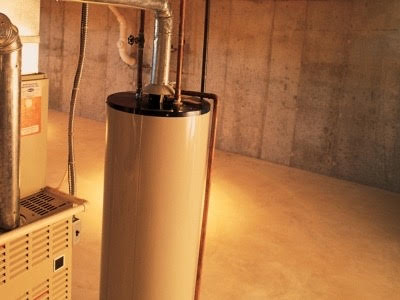
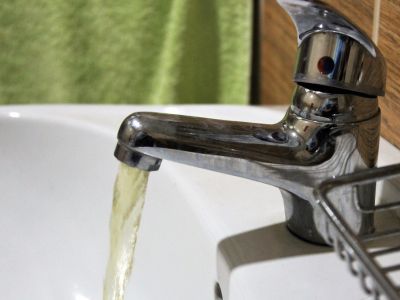
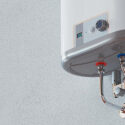
water heater Corrosion is a serious concern for any water heater and one of the clearest indicators that replacement is necessary. A corroded water heater may be visible on the outside of the tank, but several signs can also signal corrosion. One of the most recognizable signs of water heater corrosion is discolored or rust-colored water from the taps when using hot water, or water with a strange, metallic taste or smell. 

A leaking water heater is another sign that should not be ignored and indicates it should be replaced. If homeowners see the water heater leaking or notice pooling water around the base of the unit, it typically indicates the tank has developed a crack or weak spot, often due to corrosion. Unlike many plumbing issues that can be patched or repaired, a water heater leak from the tank itself generally means the unit has reached the end of its serviceable life and a new water heater installation is the recommended course of action.

Old Age or Frequent Repairs

The age of a water heater is one of the most important factors to consider when deciding whether to repair or replace it. Traditional storage water heaters generally last around 8 to 12 years. Once a unit passes the 10-year mark and begins experiencing issues, water heater replacement is typically the more cost-effective choice rather than continuing to invest in an aging, inefficient system.

Frequent repairs are another strong signal that a water heater should be replaced. A unit that requires service multiple times within a short period is likely experiencing overall decline rather than isolated problems. Each repair adds up, and at a certain point, putting more money into an older water heater no longer makes financial sense. Investing in a new water heater installation provides homeowners with improved water heating efficiency, more reliable hot water, and the peace of mind that comes with a dependable system.

About Honest Abe's Home Services

Honest Abe's Home Services is a plumbing, heating, and air conditioning company serving Osage Beach and the surrounding areas. They offer flat-rate pricing, 24-hour emergency services, and fast turnarounds. Call for water heater replacement and installation in Osage Beach, MO.

A Guide to Choosing Between an Electric and a Gas Water Heater

Pros and Cons of Common Water Heater Fuel Sources

When it’s time for a water heater replacement or installation, one of the most fundamental decisions a homeowner must make is whether to install an electric or gas-powered unit. This choice impacts not only the initial cost of the appliance and its installation but also the monthly operating costs. To help people navigate this important decision, this post discusses the advantages and disadvantages of both gas and electric water heaters, and factors that can impact which to install.

Gas Water Heater

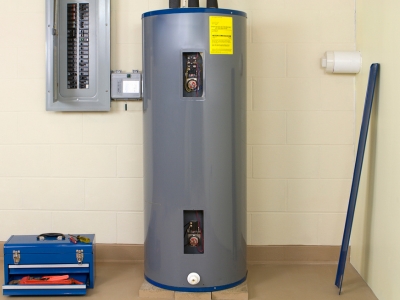
water heater Gas water heaters offer some significant performance advantages. One of the primary benefits is their superior speed in heating water. The powerful burners can quickly bring a tank full of cold water to temperature, making them ideal for households with high hot water demand. Another advantage of installing a gas water heater is lower monthly operating costs, even though the unit's initial installation is generally more expensive than an electric unit. 

However, opting for a gas water heater introduces a few key installation and safety considerations. Unlike electric units, gas heaters require a dedicated gas line hookup. They must also be connected to a proper venting system to safely expel combustion byproducts, such as carbon monoxide, adding complexity and cost to the installation process. These venting requirements can limit where the unit can be placed in a home. In terms of safety, the presence of natural gas and the potential for carbon monoxide leakage mean gas units carry more inherent safety risks. 

Electric Water Heater

water heater Electric water heaters are often the most straightforward and cost-effective option for initial installation. They do not require a gas line or complex venting system, which significantly reduces the upfront cost and labor associated with setup. This ease of installation also provides greater placement flexibility, as the unit only requires access to a standard electrical connection. From a safety perspective, electric units are inherently safer than gas models; they operate without a combustion flame, eliminating the risk of carbon monoxide poisoning or gas leaks, making them a preferred choice for homeowners prioritizing safety and simplicity.

Despite their installation advantages, electric water heaters generally have higher monthly operating costs. Another potential drawback is their dependence on the household's power supply. Unlike gas models, an electric water heater will cease to function and cannot heat water during a power outage, leaving the household without hot water until electricity is restored. Furthermore, the recovery rate—the speed at which the unit reheats a tank of water—is typically slower than that of a gas-powered unit.

Factors to Consider Before Installation

The decision between installing an electric and a gas water heater is often heavily influenced by the home's existing infrastructure and local factors. A critical consideration is the home's susceptibility to power outages. In regions that experience frequent or prolonged power outages, a gas water heater may be the ideal choice, as its operation is independent of the main electrical supply (aside from a small electrical component in some models), allowing the household to maintain hot water access when the power is out. However, it’s important to consider the requirement for a dedicated gas line and appropriate venting, which can significantly increase installation complexity and cost if the home is not already equipped with the necessary infrastructure.

Another factor that can influence the choice is the homeowner's preference regarding safety. For those who are more concerned about potential hazards such as carbon monoxide poisoning or gas leaks, an electric water heater may be the superior choice, as it operates without a combustion flame and inherently poses fewer associated risks. Ultimately, the choice often comes down to weighing long-term operating costs and reliability (favoring gas) against initial installation cost, placement flexibility, and enhanced safety (favoring electric).

About Honest Abe's Home Services

Honest Abe's Home Services is a local, reliable heating, air conditioning, and plumbing company serving Osage Beach and the surrounding communities. They provide flat-rate pricing, expert diagnosis, and advanced technology. Call them for water heater installation and replacement services in Osage Beach, MO. 

Easy Tips to Help Save On Water Costs

Simple Steps to Conserve Water and Reduce Water Bills

Reducing water usage is not only beneficial for the planet but also a straightforward approach to decreasing monthly household expenses. For many families, household water use is a high cost. However, a considerable volume of water is inadvertently lost daily due to wasteful practices and undetected leaks. This guide presents practical, simple strategies, ranging from minor habit adjustments to installing water-efficient plumbing fixtures, that can help homeowners conserve water and lower their water costs.

Smart Water Usage Habits

sinkImplementing minor adjustments to daily routines can result in substantial savings on water and water bills. An easy and effective change involves turning off the tap during tasks that don't require continuous water flow, such as brushing teeth, shaving, or washing dishes. This change of habit can conserve a large volume of water over time. Furthermore, a modern, water-efficient dishwasher generally uses less water than handwashing dishes. Just ensure it runs only when fully loaded to maximize efficiency.
Outdoor water consumption often accounts for a large share of a home's total water use, particularly during warmer months. Adopt practices to conserve water in the garden and lawn, such as avoiding irrigating during the hottest parts of the day. Heat and sunlight cause water to evaporate rapidly before it can soak into the soil and reach the roots, reducing the effectiveness of watering and demanding more water. Instead, water either in the early morning or later in the evening when temperatures are cooler. Also, consider applying a layer of organic mulch around plants to help the soil retain moisture.

Upgrade to Water-Saving Fixtures

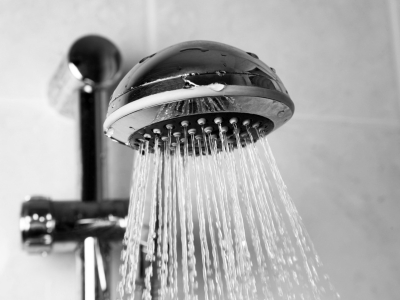
shower head Investing in water-saving plumbing fixtures is a wise financial decision that can significantly reduce water consumption and water bills without compromising performance or having to sacrifice good water pressure. Seek out products that carry the WaterSense label, which signifies that they meet EPA standards for both water efficiency and performance.

Water-efficient plumbing fixtures that can help save on water costs include a low-flow showerhead, water-saving toilets, and water-conserving faucet aerators or low-flow faucets. These modern, water-saving faucets and showerheads typically incorporate air into the water stream, effectively reducing water use while maintaining a comfortable, effective water pressure. Such fixture improvements often yield a quick return on investment through reduced water bills.

Repair Leaks Immediately

Even a minor water leak can waste thousands of gallons of water annually, leading to a substantial increase in water bills. Fixing burst pipes and water leaks promptly is one of the most immediate and impactful steps to reduce water waste and save money. Homeowners should be vigilant for common indicators of a water leak, such as:

  • An unexpected increase in water bills
  • A drop in water pressure
  • Hearing the sound of running water when all fixtures and appliances are off
  • Damp spots, pooling water, or unexplained water stains on walls, ceilings, or floors
  • Mold growth or musty odors

If homeowners suspect a leak, they should contact a plumber without delay for water leak detection and water leak repair services. Plumbers can locate and fix leaks to reduce water costs and prevent any further water damage to the property.

About Honest Abe's Home Services

Honest Abe's Home Services provides dependable heating, air conditioning, and plumbing services to the Osage Beach community. They offer flat-rate pricing, emergency response, and advanced technology. Call them for plumbing services in Osage Beach, MO. 

When Should a Water Softener Be Installed?

Signs of Hard Water and Water Softeners Explained

Hard water is a common issue for many households, leading to a variety of problems that can impact the home and its residents. Fortunately, water softeners offer an effective solution, transforming the home's water quality and mitigating these issues. But how do people know if they need a water softener installation, and what are the benefits of installing one? This guide will discuss the signs of hard water, how a water softener works, and the benefits of installing a water softening system.

Signs Indicating Hard Water

dry hair Recognizing the signs of hard water is the first step in determining if a water softener installation is needed. One common indicator of hard water is the impact on personal care. If people in the home experience dry and itchy skin, or dull, lifeless hair, hard water is likely stripping away natural oils and preventing soaps from lathering effectively. Similarly, if dishes emerge from the dishwasher with unsightly spots and film, it's a clear sign that mineral deposits are clinging to surfaces rather than rinsing clean due to hard water.

Beyond personal care and dishes, hard water leaves its mark throughout a home. Look for chalky white or reddish-brown stains and deposits on faucets, showerheads, and other plumbing fixtures. Laundry may also suffer, appearing faded or stiff after washing due to mineral residue. Perhaps the most concerning long-term effect of hard water is scale buildup within pipes and appliances. This accumulation of minerals can restrict water flow, leading to clogs, reduced water pressure, and ultimately, a decrease in the efficiency and lifespan of water-using appliances.

How Does a Water Softener Work?

A water softener system primarily works through a process called ion exchange. Inside the softener's tank, there are tiny resin beads that are charged with sodium ions. As hard water, containing dissolved minerals like calcium and magnesium, flows through the tank, these positively charged mineral ions are attracted to the negatively charged resin beads. The resin beads then "capture" the calcium and magnesium ions, releasing their less harmful sodium ions into the water in exchange. This effectively removes the hardness-causing minerals from the water.

Over time, the resin beads become saturated with calcium and magnesium ions and need to be regenerated, which is typically done by flushing the softener with a concentrated brine solution (saltwater). The high concentration of sodium ions in the brine displaces the calcium and magnesium ions from the resin beads, which are then flushed out of the system and down a drain. The resin beads are then recharged with sodium ions and are ready to soften water again, ensuring a continuous supply of soft water for the home.

Benefits of Whole Home Water Softeners

save money Installing a whole-home water softener offers a multitude of advantages that enhance daily life and protect the home's plumbing and appliances. One of the most significant benefits is the substantial reduction in wear and tear on plumbing fixtures and pipes. By eliminating the mineral deposits that cause scale buildup, water softeners help reduce the risk of plumbing problems like clogs and reduced water pressure. 

Less scale buildup on fixtures also translates to significant time savings on cleaning, as people will no longer need to constantly scrub away unsightly scale from faucets, showerheads, and other surfaces. Soft water is also gentler on laundry, helping clothes and fabrics retain their vibrant colors and soft texture for longer. A water softener installation also leads to more hydrated skin and hair, free from the drying effects of hard water minerals.

With soft water, dishes will come out sparkling clean without spots or film, and water-using appliances, such as dishwashers, washing machines, and particularly water heaters, will operate more efficiently. The absence of scale buildup in these appliances means they consume less energy to function, leading to lower utility bills. Additionally, by preventing premature breakdowns and extending the operational lifespan of these appliances, a whole-house water softener can save homeowners money in replacement costs over time, making it a wise investment.

About Honest Abe's Home Services

Honest Abe's Home Services is a reliable heating, air conditioning, septic, and plumbing company serving Osage Beach and the surrounding areas. They offer honest advice, advanced technology, and flat-rate pricing. Call them for water softener installation services in Osage Beach, MO. 

A Guide to Tankless Water Heaters and Their Benefits

Why Install a Tankless Water Heater?

Tankless water heaters offer an alternative to a traditional storage tank water heater, providing on-demand hot water and significant energy savings. This guide will discuss tankless water heaters, the benefits of installing a tankless water heater, and signs indicating that an existing water heater is due for replacement.

What Is a Tankless Water Heater and How Does It Work?

A tankless water heater provides hot water only when it’s needed. This sets it apart from traditional storage water heaters, which continuously heat and maintain a ready supply of hot water in a large tank, even when no one is using it. Because tankless systems only heat water on demand, there's no standby energy loss associated with keeping a large tank of water hot, which leads to the energy savings tankless water heaters are known for.

When hot water is needed, cold water flows into the tankless water heater unit, where a powerful heating element rapidly heats the water. This process occurs almost instantaneously, eliminating the need for a large storage tank and delivering a continuous supply of hot water for as long as it’s needed. 

Benefits of Installing a Tankless Water Heater

shower Installing a tankless water heater offers numerous advantages that make it the preferred choice for many homeowners. One of the primary benefits is their exceptional energy efficiency. Unlike traditional storage water heaters that continuously heat and store water, tankless units only heat water when there's a demand. This eliminates standby energy loss, leading to a significant reduction in water heating costs.
Beyond utility bill savings, tankless water heaters provide the luxury of nearly endless hot water. Say goodbye to the frustrating experience of running out of hot water in the middle of a shower and having to wait for the tank to refill and reheat. A tankless water heater can provide a continuous supply of hot water, ensuring comfort and convenience. Furthermore, their compact size allows for more flexible installation options, freeing up valuable space. Tankless water heaters also boast a longer lifespan than conventional storage tank models, offering a reliable solution for the home's hot water needs.

Signs It's Time to Replace an Old Water Heater

dirty water Even the most well-maintained water heaters will eventually need to be replaced. Knowing the signs that indicate the unit is nearing its end allows plumbers to be called for replacement, preventing unexpected cold showers. Here are some common indicators that it's time for a water heater replacement:

  • Age of the Unit: Most traditional tank water heaters last between 10 and 15 years. If it falls within or has exceeded this age range, it's wise to consider a replacement. Even if it appears to be functioning adequately, aging water heaters are less efficient and cost more to operate.
  • Visible Corrosion or Rust-Colored Water: If homeowners notice visible rust or corrosion on their water heater, it’s time to replace it. Additionally, discolored and rust-colored hot water coming from fixtures indicates a corroded water heater tank. 
  • Leaking Tank: Puddles of water around the base of the water heater or visible leaks are another clear sign of the need for replacement.
  • Insufficient Hot Water: If the household consistently runs out of hot water faster than usual, there is no hot water, or if the water isn't getting as hot as it used to, it may indicate that replacement is needed.
  • Higher Water Heating Costs: High utility bills could be a sign that an old water heater is losing efficiency and consuming more energy to produce the same amount of hot water.

When it’s time to install a new water heater to replace an old one, homeowners should consider whether their household would benefit from a tankless water heater. Their efficiency, endless hot water supply, and longer lifespan make them an excellent investment for modern homes.

About Honest Abe's Home Services

Honest Abe's Home Services is a reliable heating, air conditioning, septic, and plumbing company serving Osage Beach and the surrounding areas. They offer flat-rate pricing, honest advice, and advanced technology. Call them for a tankless water heater installation in Osage Beach, MO. 

Possible Causes of Low Water Pressure in the House

What Causes Poor Water Pressure?

Low water pressure in the house can be incredibly frustrating, especially when it hinders residents’ daily routines. However, low water pressure can be a warning sign of a larger plumbing issue in need of attention. This post will discuss possible reasons for poor water pressure so the underlying issue can be resolved.

Faulty Fixtures or Closed Valves

shower head Troubleshooting low water pressure often begins with determining whether the problem affects a single plumbing fixture or fixtures throughout the home. When water pressure drops only at one fixture, such as a faucet or showerhead, the culprit is typically a faulty or clogged fixture rather than a systemic plumbing issue. Mineral deposits can gradually accumulate in aerators and showerheads, restricting water flow over time. 
For whole-house water pressure problems, the hidden cause may be partially closed valves. The main water shutoff valve or water meter valve might have been accidentally left in a partially closed position after maintenance or repairs. These critical flow control points can dramatically impact a home's overall water pressure when not fully open. Locating and ensuring that valves are completely open can be the first step before calling a plumber. A quarter-turn ball valve should be parallel to the pipe when fully open, while older gate valves require multiple complete counterclockwise turns. The solution to water pressure woes might be as simple as a quick valve adjustment, fixture cleaning, or replacement. 

Water Leaks

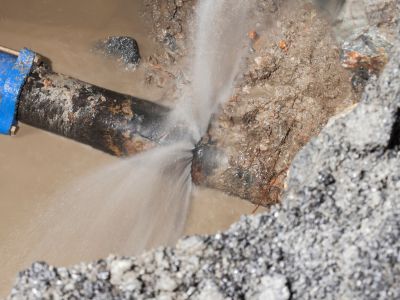
leak A water leak within a home's plumbing system can also be the culprit behind frustrating low water pressure problems. When water lines develop cracks or connections fail, water escapes before reaching plumbing fixtures, resulting in weakened flow throughout the house. After identifying these hidden issues, professional water leak repair can restore normal water pressure levels.

The severity of pressure loss typically correlates with the leak's size and location. A small drip might cause barely noticeable pressure reduction, whereas a major pipe rupture can leave the household with just a trickle from the faucets and fixtures. In addition to reduced water pressure serving as a warning sign of a water leak, higher-than-normal water bills can also point to a leak. To confirm a water leak, homeowners can check their water meter when no water is being used. After an hour with no water being used, check the meter again. If the reading has changed, it confirms there’s a leak. Prompt water leak detection and repair will restore water pressure and help prevent additional water damage and mold growth.

Clogs and Buildup

Mineral buildup and pipe clogs are other possible causes of low water pressure. Over time, water lines can accumulate debris, sediment, and mineral deposits that gradually restrict water flow. The reduction in pressure often occurs so gradually that homeowners don't notice until the problem becomes severe.

The aging process of plumbing infrastructure can also contribute to these blockages. Older galvanized pipes are particularly susceptible to internal corrosion, which creates rough surfaces where minerals readily attach. So, homes with older plumbing have a higher risk of experiencing pressure loss due to pipe corrosion. Hard water, containing high concentrations of minerals like calcium and magnesium, can also accelerate buildup inside water pipes. A professional can address these issues and restore the home’s water pressure.  

About Honest Abe’s Home Services

Honest Abe’s Home Services is a trusted heating, air conditioning, and plumbing company serving the Osage Beach community. They provide expert diagnosis, advanced technology, honest estimates, and upfront pricing. Call them for plumbing services in Osage Beach, MO. 

Why Have a Water Filtration System Installed?

The Importance of Installing a Whole House Water Filter

A water filtration system installation can transform a household’s water, making it cleaner and safer. If people are frustrated by unsafe or off-tasting tap water, this guide will discuss how to enjoy fresh, clean water that protects the family’s health by installing a water filtration system. With powerful toxin removal and advanced filtering technology, whole-home water filters upgrade the home's water quality.

What Does a Water Filtration System Do?

Water filtration systems work to remove contaminants, impurities, and unwanted substances from a home's water supply, delivering cleaner, safer water for the family. These purification devices can use various filtration methods to trap particles and chemicals that municipal treatment might miss. Water quality matters tremendously. These systems target specific water problems and contaminants.

The filtration process typically begins when water enters the system through an intake valve. From there, carbon filters can absorb substances like chlorine, pesticides, and other compounds affecting health, taste, and odor. Reverse osmosis systems force water through a semi-permeable membrane, blocking even microscopic contaminants, including chlorine, arsenic, and bacteria. The right system for a home depends on specific water issues and household needs. With regular maintenance, these systems provide long-lasting protection against impurities that standard treatment plants simply cannot eliminate.

Benefits of Installing a Water Filtration System

water Installing a home water filtration system transforms the home's water quality and provides several benefits. These comprehensive purification systems remove contaminants, chemicals, and sediments before water reaches the tap in the house. Filtration systems can remove up to 99% of common water contaminants, significantly improving the water’s safety, odor, and taste.

From a financial perspective, water filtration is also advantageous. Filtered water can help extend the life expectancy of plumbing and appliances that use water. While installing a home water filter requires an initial investment, homeowners can save money over time by eliminating the need to purchase bottled water. The environmental impact is equally significant, with each system preventing plastic bottles from entering landfills annually.

Signs to Install a Water Filtration System

sinkUnusual tastes, odors, or discoloration of the tap water are clear indicators that a home water filter installation should be a priority. These issues, including cloudy or discolored water and a strange taste or smell, aren't just unpleasant. They also signal contamination. Unexplained health symptoms could also indicate the need for home water purification systems. Frequent stomach discomfort or other symptoms might be connected to the water supply. 

In addition to these signs, another reason to get a water filtration system is for peace of mind that the home’s water is safe and clean. If homeowners are worried about their water quality, a home water filter can help purify the water. It's worth noting that some contaminants leave no taste or odor cues despite posing health risks. Regular water testing can reveal what senses cannot detect. 

About Honest Abe's Home Services

Honest Abe's Home Services is a reliable heating, air conditioning, and plumbing company serving the Osage Beach community. They provide flat-rate pricing, advanced technology, and honest advice. Call them for water filtration installation services in Osage Beach, MO.

The Benefits of a Whole Home Water Softener Installation

Understanding Hard Water and Its Impact

Hard water is one of those silent culprits that homeowners might not notice but can cause issues around a home. Hard water can be harsh on hair, skin, laundry, plumbing, fixtures, and appliances. 

A water softener installation helps to eliminate these problems caused by hard water by removing hard water minerals like magnesium and calcium, providing many benefits to a household. This blog post will discuss signs of hard water, water softeners, and the benefits of installing a whole-house water softener. 

Telltale Signs of Hard Water 

dry hair There are some signs that homeowners can look for to determine whether the home is affected by hard water. These signs indicate a water softener installation would benefit the home. Signs include: 

  • Scale buildup in the home’s pipes causing clogs and water pressure issues
  • Spots and cloudy films left on dishes and glasses after being washed
  • Stains and buildup on water-based fixtures
  • Dry, dull hair and dry, itchy skin 
  • Clothing that feels rough or is visibly faded 

The Basics of a Water Softener System

water softenerWater softeners are designed to remove the minerals from water flowing through the home, making it better for everyday use and less harsh on appliances, fixtures, hair and skin, and more. Homeowners can consult with a professional to determine what type of water softener will be best for their home’s needs.

Typical water softeners use a process called ion exchange. This ion exchange takes place in a resin bed inside a tank. The hard water flows into the water softener, where the minerals are replaced with alternatives like potassium and sodium. Then, it lets the soft water flow to the home wherever water is needed. 

Exploring the Benefits

There are many benefits to installing a whole-home water softener, including: 

  • Less time spent cleaning mineral stains and buildup from fixtures
  • Helps avoid clogging and water pressure issues 
  • Better efficiency and a longer lifespan for appliances that use water
  • Healthier skin and hair that has improved moisture
  • Clothes and linens last longer and don’t fade as quickly
  • Dishes and glasses look cleaner after being washed

About Honest Abe's Home Services

Honest Abe's Home Services is a one-stop shop for all things plumbing, heating, and air conditioning. They offer upfront prices and advanced technology. Call them for water softener installation and repair services in Osage Beach, MO. 

Tips to Help Homeowners Spot a Water Leak

Catch Water Leaks Before They Cause More Damage and Costs 

When the plumbing in a home leaks, it can cause many costly issues, such as water damage, and drive up water costs. Some water leaks are more obvious, like dripping faucets, but others are harder to spot. Being able to identify water leaks is vital for a homeowner so they can call a plumber for water leak detection and repair to protect their home from damage. Here is a discussion of different ways homeowners can find a water leak. 

Signs of Water Leaks 

Water leaks can be identified when people know what signs to look for, including: 

  • Dripping or running water noises
  • Reduced water pressure from the fixtures
  • Mold and mildew
  • Water-stained or damaged flooring, ceilings, or walls
  • Unexplained wet patches or puddles on the lawn 

High Water Bills

billsHomeowners also need to know another key sign of a water leak, but it involves paying attention to monthly water bills. A leak wastes water and increases a home’s water use, raising the water bill. Homeowners should have a general idea of how much they spend on utilities each month, so if there’s an unexplained rise in water costs, they can call for water leak repair. 
Homeowners can make a chart or rely on utility trackers to keep track of how much they spend each month. It can provide valuable information about a household’s water usage and costs, making it a great way to spot spikes in the water bill, signaling potential water leaks in the system. 

Water Meter

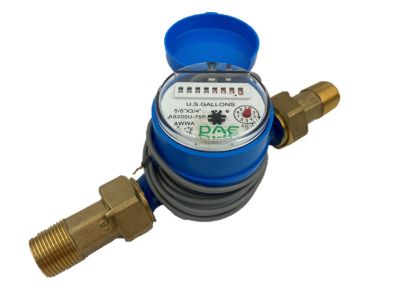
water meterHomeowners can also rely on their water meters to verify the presence of a water leak. Many water meters have a leak indicator, which often looks like a triangle or asterisk that turns when water is flowing through the water meter. If it continues to turn when nothing that uses water is being used inside or outside the home, it indicates a water leak. 

To use a water meter without a leak indicator to verify the presence of a leak, everything that uses water also needs to be turned off. Then, the reading on the water meter should be noted and then rechecked after about an hour, during which no water was used. If the reading has changed, indicating water was used when it wasn’t, it indicates a leak. 

About Honest Abe's Home Services

Honest Abe's Home Services is a heating, air conditioning, and plumbing company serving the Osage Beach area. They provide flat-rate pricing, advanced technology, and honest advice. Call them for water leak detection and leak repair services in Osage Beach, MO.

Tankless Water Heater Benefits

Why Go Tankless in 2024

While hot water can be a stressful thing to lose and a water heater an expensive appliance to replace, needing a new one isn’t all bad news. Taking advantage of the opportunity for a replacement, homeowners can access a new set of benefits by switching to a tankless water heater. Tankless water heaters offer a variety of benefits, and here are some of the top reasons tankless water heater installation may be an excellent choice for 2024. 

Better Energy Efficiency and Lower Costs

save money Water heating uses a lot of energy and is often the source of a house's second biggest energy expense. However, homeowners can improve the energy efficiency of their water heating system and reduce their water heating costs by switching to a tankless water heater. 

With a traditional storage water heater, the system has to cycle on and off consistently to keep water in the tank heated and on standby for when hot water is needed. Tankless water heaters save tons of energy by only turning on when hot water is required. This leads to lower monthly energy bills that can help offset the cost of installation. 

Get Endless Hot Water and More Storage Space

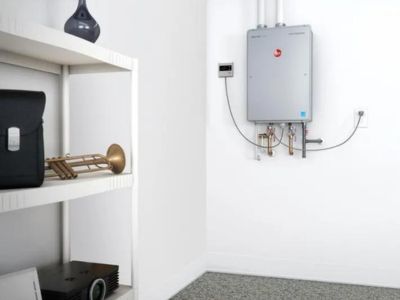
tankless water heaterOne of the main drawbacks of a storage water heater’s hot water tank is that they have a finite volume. Once the hot water is used up, it takes time to heat more water, so people are stuck without hot water until it can heat more. On the other hand, tankless water heaters heat water on demand without a large tank, so homes have an endless supply of hot water and don’t have to get stuck taking cold showers. 

Additionally, a tankless water heater’s lack of a large storage tank makes it much smaller and takes up less space in a home. They can also be mounted on the wall to save even more space, providing homeowners more room for storage in their homes. 

Better Longevity 

Tankless water heaters also have the benefit of greater longevity. On average, tankless water heaters can last at least 20 years, while storage water heaters typically last between 10 to 15 years. This longer life expectancy, in addition to lower water heating costs, can save homeowners money and offset the cost of tankless water heater installation by preventing the need to replace a water heater every ten years. 

But to ensure the tankless water heater’s longevity, efficiency, and reliability are maximized, homeowners should be sure to schedule routine tankless water heater maintenance with a plumber. Maintenance ensures the water heater lasts longer, works more efficiently, reduces operating costs, and prevents problems.   

About Honest Abe's Home Services

Honest Abe's Home Services is a heating, air conditioning, and plumbing company serving Osage Beach, MO, and the surrounding areas. They offer upfront pricing, advanced technology, and fast turnarounds. Call them today for tankless water heater repair or installation in Osage Beach, MO.