
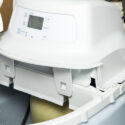
Signs of Hard Water and Water Softeners Explained
Hard water is a common issue for many households, leading to a variety of problems that can impact the home and its residents. Fortunately, water softeners offer an effective solution, transforming the home's water quality and mitigating these issues. But how do people know if they need a water softener installation, and what are the benefits of installing one? This guide will discuss the signs of hard water, how a water softener works, and the benefits of installing a water softening system.
Signs Indicating Hard Water
 Recognizing the signs of hard water is the first step in determining if a water softener installation is needed. One common indicator of hard water is the impact on personal care. If people in the home experience dry and itchy skin, or dull, lifeless hair, hard water is likely stripping away natural oils and preventing soaps from lathering effectively. Similarly, if dishes emerge from the dishwasher with unsightly spots and film, it's a clear sign that mineral deposits are clinging to surfaces rather than rinsing clean due to hard water.
Beyond personal care and dishes, hard water leaves its mark throughout a home. Look for chalky white or reddish-brown stains and deposits on faucets, showerheads, and other plumbing fixtures. Laundry may also suffer, appearing faded or stiff after washing due to mineral residue. Perhaps the most concerning long-term effect of hard water is scale buildup within pipes and appliances. This accumulation of minerals can restrict water flow, leading to clogs, reduced water pressure, and ultimately, a decrease in the efficiency and lifespan of water-using appliances.
How Does a Water Softener Work?
A water softener system primarily works through a process called ion exchange. Inside the softener's tank, there are tiny resin beads that are charged with sodium ions. As hard water, containing dissolved minerals like calcium and magnesium, flows through the tank, these positively charged mineral ions are attracted to the negatively charged resin beads. The resin beads then "capture" the calcium and magnesium ions, releasing their less harmful sodium ions into the water in exchange. This effectively removes the hardness-causing minerals from the water.
Over time, the resin beads become saturated with calcium and magnesium ions and need to be regenerated, which is typically done by flushing the softener with a concentrated brine solution (saltwater). The high concentration of sodium ions in the brine displaces the calcium and magnesium ions from the resin beads, which are then flushed out of the system and down a drain. The resin beads are then recharged with sodium ions and are ready to soften water again, ensuring a continuous supply of soft water for the home.
Benefits of Whole Home Water Softeners
 Installing a whole-home water softener offers a multitude of advantages that enhance daily life and protect the home's plumbing and appliances. One of the most significant benefits is the substantial reduction in wear and tear on plumbing fixtures and pipes. By eliminating the mineral deposits that cause scale buildup, water softeners help reduce the risk of plumbing problems like clogs and reduced water pressure.
Less scale buildup on fixtures also translates to significant time savings on cleaning, as people will no longer need to constantly scrub away unsightly scale from faucets, showerheads, and other surfaces. Soft water is also gentler on laundry, helping clothes and fabrics retain their vibrant colors and soft texture for longer. A water softener installation also leads to more hydrated skin and hair, free from the drying effects of hard water minerals.
With soft water, dishes will come out sparkling clean without spots or film, and water-using appliances, such as dishwashers, washing machines, and particularly water heaters, will operate more efficiently. The absence of scale buildup in these appliances means they consume less energy to function, leading to lower utility bills. Additionally, by preventing premature breakdowns and extending the operational lifespan of these appliances, a whole-house water softener can save homeowners money in replacement costs over time, making it a wise investment.
About Honest Abe's Home Services
Honest Abe's Home Services is a reliable heating, air conditioning, septic, and plumbing company serving Osage Beach and the surrounding areas. They offer honest advice, advanced technology, and flat-rate pricing. Call them for water softener installation services in Osage Beach, MO.
