Signs It's Time to Replace the Thermostat

When to Replace the Thermostat

Every home’s thermostat performs a significant function. It commands the heating and cooling system when to turn on or off depending on the temperature of a home and the desired temperature. Thermostats are crucial to maintaining the comfort of the house, but as with many things, they will ultimately need to be replaced. 

Many professionals believe the home thermostat can function adequately for over ten years before failing. However, many homeowners wish to replace their thermostat before it stops working completely to save money on cooling costs with more energy-efficient models. Continue reading to learn the signs of a failing thermostat so professionals can install replacements before the home is stuck without heat or air conditioning.

Higher Energy Bills

bills The thermostat or its wiring may be faulty if the furnace or air conditioner runs continuously and doesn’t shut off when the required temperature is reached. The thermostat may also be miscalibrated, in which case it may be sending the wrong signals to the heat pump, furnace, or air conditioner.

Dramatically higher energy bills also indicate an issue with the thermostat. The heating and cooling systems may run longer if the thermostat isn’t working correctly, which causes a spike in costs. Replacing the thermostat will lower energy bills, especially if replaced with a programmable or smart thermostat.

Getting Inaccurate Temperature Readings
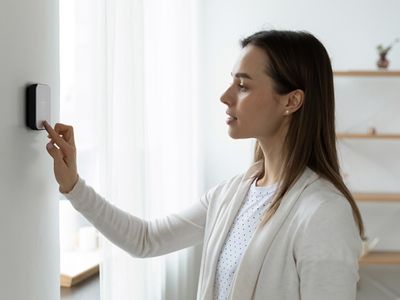
temperatureA malfunctioning thermostat could start reading the wrong temperature even if it isn’t very old. It might be able to be resolved by hiring an expert to calibrate the thermostat. An expert would make sure the temperature issues are resolved. However, more complex problems with the thermostat could be present that call for a replacement. 

The thermostat may also need to be repositioned to get the most accurate temperature readings. This problem is usually caused by it being accidentally moved since installation, so it is near a draft or area that isn’t representative of the entire house’s temperature. 

To check if the temperature on the thermostat is correct, put a thermometer next to the thermostat to test the reading. The thermostat is obviously misreading the room temperature if the readings don’t match.

Unit Short Cycling 

Air conditioning systems operate using a cooling cycle. The cycle starts when the thermostat indicates that the house needs to be cooled. The minimum amount of time required to complete a cooling cycle is typically 15 minutes. Then the thermostat sends a signal to the AC to turn off once it detects the house has attained the desired temperature.

When this cooling cycle is shortened, and the air conditioner shuts off early, this is known as short cycling. The air conditioner will soon switch back on thanks to the thermostat, and it will again shut off early. As a result, the air conditioner starts and stops quickly, turning on several times an hour as opposed to operating in longer, more effective cycles. Short cycling causes unnecessary wear and tear on the system and is a common sign of a failing thermostat. 

About Honest Abe’s Home Services

Honest Abe’s Home Services proudly provides professional solutions for all the home comfort needs of Osage Beach, MO, and the surrounding areas. They offer flat-rate pricing, 24-hour emergency services, and advanced technology. Call them today for AC and heating services in Osage Beach, MO.

Does a Change in Season Call for a Change in Your Thermostat Settings?

Determining the Best Thermostat Setting for Each Season

There are a lot of things organized by season. People’s wardrobes are organized by season: t-shirts for the summer and sweaters for the winter. Yard tools are organized by season: lawn mowers for the summer and snow blowers and shovels for the winter. Even food can be characterized by season: grilling hot dogs and hamburgers during the summer and heating a hot bowl of soup for the winter.

But with the change of seasons, should thermostat settings be changed too? Understanding the right temperature to use on your cooling and heating unit during warmer or colder months can help save money and keep the house more comfortable.

Setting the Thermostat for Cold Months

Believe it or not, fall is coming to a close and winter will be here shortly. As the weather continues to become cooler, the thermostat should be set a little cooler too.

cold months

The best indoor thermostat setting during the cold months, on average, is 70°F. Having a temperature set in the low 70s keeps the house plenty warm to prevent frozen pipes while still being cool enough to wear warmer clothing indoors.

Setting the Thermostat for Warm Months

warm monthsAs the temperature starts to rise in the spring and summer, indoor temperatures are best kept a little higher at 78°F. Though it might seem odd that temperatures should be lower for cold months and higher for warm months, it does make sense in terms of the layers of clothing worn during the different seasons.

Long pants and sweaters are worn in the winter, so the temperature indoors would be cooler. However, the indoor temperature needs to be warm enough during the summer to feel comfortable wearing a t-shirt and shorts.

Keep in mind, these thermostat settings are just suggestions; they are the average temperature for households during cold and warm months. Additionally, people’s body temperatures fluctuate throughout the day, so the temperature may need to be adjusted when people first wake up or after they eat a meal. It may be best to test different temperature variations and see what feels most comfortable!

Setting the Thermostat for an Empty House

As mentioned, the above settings for the different settings are an average and may fluctuate throughout the day. However, these temperature suggestions make for a smooth transition to other temperatures, such as when the house is filled with more occupants than normal during a holiday gathering.

empty house

They are within a regular room temperature scale. Any changes from these temperatures don’t feel drastic, and the house doesn’t have to work hard to change temperatures. Just remember to keep the temperature above 55°F when the house is empty for any long period of time in the winter to prevent the pipes from freezing.

About Honest Abe’s Home Services

Honest Abe’s Home Services is a one-stop source for plumbing, heating and air conditioning, and mold remediation needs, including emergency services. From drains to sewers to water heaters to indoor comfort systems, they do it all. With state of the art technology and regular employee training, they provide all customers with red carpet service and top-quality workmanship.

Does a Change in Season Call for a Change in Thermostat Settings?

Determining the Best Thermostat Setting for Each Season

There are a lot of things organized by season. People’s wardrobes are organized by season: t-shirts for the summer and sweaters for the winter. Yard tools are organized by season: lawn mowers for the summer and snow blowers and shovels for the winter. Even food can be characterized by season: grilling hot dogs and hamburgers during the summer and heating a hot bowl of soup for the winter.

But with the change of seasons, should thermostat settings be changed too? Understanding the right temperature to use on your cooling and heating unit during warmer or colder months can help save money and keep the house more comfortable.

Setting the Thermostat for Cold Months

Believe it or not, fall is coming to a close and winter will be here shortly. As the weather continues to become cooler, the thermostat should be set a little cooler too.

cold months

The best indoor thermostat setting during the cold months, on average, is 70°F. Having a temperature set in the low 70s keeps the house plenty warm to prevent frozen pipes while still being cool enough to wear warmer clothing indoors.

Setting the Thermostat for Warm Months

warm monthsAs the temperature starts to rise in the spring and summer, indoor temperatures are best kept a little higher at 78°F. Though it might seem odd that temperatures should be lower for cold months and higher for warm months, it does make sense in terms of the layers of clothing worn during the different seasons.

Long pants and sweaters are worn in the winter, so the temperature indoors would be cooler. However, the indoor temperature needs to be warm enough during the summer to feel comfortable wearing a t-shirt and shorts.

Keep in mind, these thermostat settings are just suggestions; they are the average temperature for households during cold and warm months. Additionally, people’s body temperatures fluctuate throughout the day, so the temperature may need to be adjusted when people first wake up or after they eat a meal. It may be best to test different temperature variations and see what feels most comfortable!

Setting the Thermostat for an Empty House

As mentioned, the above settings for the different settings are an average and may fluctuate throughout the day. However, these temperature suggestions make for a smooth transition to other temperatures, such as when the house is filled with more occupants than normal during a holiday gathering.

empty house

They are within a regular room temperature scale. Any changes from these temperatures don’t feel drastic, and the house doesn’t have to work hard to change temperatures. Just remember to keep the temperature above 55°F when the house is empty for any long period of time in the winter to prevent the pipes from freezing.

About Honest Abe’s Home Services

Honest Abe’s Home Services is a one-stop source for plumbing, heating and air conditioning, and mold remediation needs, including emergency services. From drains to sewers to water heaters to indoor comfort systems, they do it all. With state of the art technology and regular employee training, they provide all customers with red carpet service and top-quality workmanship.