

Understanding When to Replace a Water Heater
Hot water is crucial for many things in a household, everything from showers to washing dishes and doing laundry, so when the water heater starts showing signs of trouble, it can affect daily life in a big way. Recognizing the warning signs that a water heater replacement may be needed helps homeowners avoid unexpected breakdowns and make informed decisions about their home's water heating.
Temperature Issues
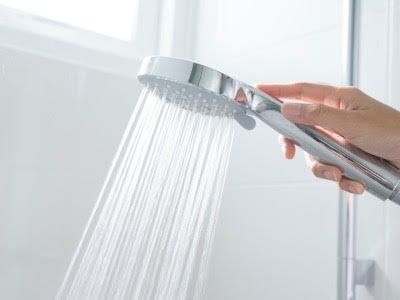 Problems with the water temperature are among the most noticeable signs that a water heater may need to be replaced. Inconsistent or uneven water temperatures, where the water fluctuates between hot and cold without any change at the tap, can signal that the unit is struggling to maintain reliable performance. Running out of hot water much faster than usual is another common complaint, often indicating that the water heater is performing poorly and may need replacement.
In some cases, the water heater may stop producing hot water entirely. While a complete loss of hot water can sometimes be traced to a relatively simple fix, such as a faulty thermostat or a tripped breaker, it can also point to a more serious internal failure. When temperature issues occur, and repairs no longer provide lasting results or aren’t cost-effective, it is a sign that water heater replacement is the most practical next step.
Corrosion or Leaks
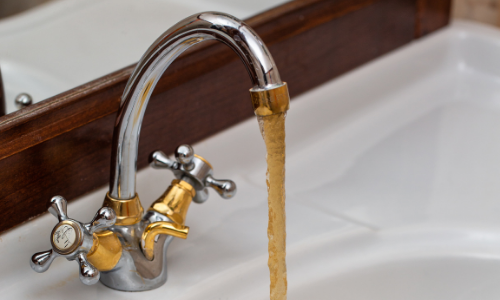
 Corrosion is a serious concern for any water heater and one of the clearest indicators that replacement is necessary. A corroded water heater may be visible on the outside of the tank, but several signs can also signal corrosion. One of the most recognizable signs of water heater corrosion is discolored or rust-colored water from the taps when using hot water, or water with a strange, metallic taste or smell.
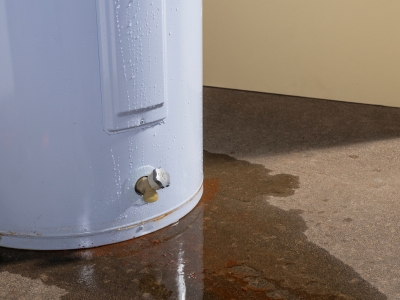
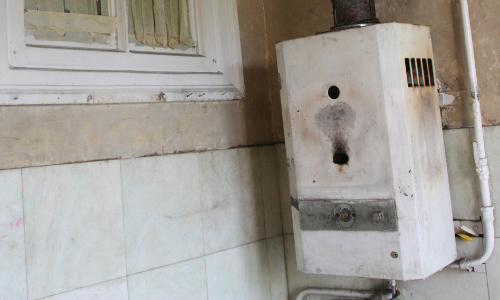
A leaking water heater is another sign that should not be ignored and indicates it should be replaced. If homeowners see the water heater leaking or notice pooling water around the base of the unit, it typically indicates the tank has developed a crack or weak spot, often due to corrosion. Unlike many plumbing issues that can be patched or repaired, a water heater leak from the tank itself generally means the unit has reached the end of its serviceable life and a new water heater installation is the recommended course of action.
Old Age or Frequent Repairs
The age of a water heater is one of the most important factors to consider when deciding whether to repair or replace it. Traditional storage water heaters generally last around 8 to 12 years. Once a unit passes the 10-year mark and begins experiencing issues, water heater replacement is typically the more cost-effective choice rather than continuing to invest in an aging, inefficient system.
Frequent repairs are another strong signal that a water heater should be replaced. A unit that requires service multiple times within a short period is likely experiencing overall decline rather than isolated problems. Each repair adds up, and at a certain point, putting more money into an older water heater no longer makes financial sense. Investing in a new water heater installation provides homeowners with improved water heating efficiency, more reliable hot water, and the peace of mind that comes with a dependable system.
About Honest Abe's Home Services
Honest Abe's Home Services is a plumbing, heating, and air conditioning company serving Osage Beach and the surrounding areas. They offer flat-rate pricing, 24-hour emergency services, and fast turnarounds. Call for water heater replacement and installation in Osage Beach, MO.
)
 Mold thrives in warm, humid environments, especially in the dark. Unfortunately, this can be the condition of heaters and air ducts due to condensation, especially if there is a leak or problem with the system. If homeowners notice the signs of mold, allowing professionals to inspect and repair the heater can help stunt the growth of mold in the home and prevent the consequences of
  Overheating heaters and furnaces pose serious dangers to both people and property. One of the most concerning risks is carbon monoxide poisoning. When a heater or furnace overheats, it can produce large amounts of this odorless gas. An overheating unit can also lead to a furnace fire, putting the home and its occupants in danger. The intense heat generated by an overheating furnace can also cause damage to the heater itself, potentially leading to costly repairs or replacement.
)
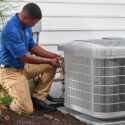
 Air conditioners are designed to be as discreet as possible, with the air blower unit tucked away in a crawlspace or attic, where it’s out of sight, and the only signs it’s running should be a gentle hum and the feeling of cool, fresh air flowing out of the vents. So if any
  Another clue that it might be time to replace the air conditioner is if the energy bills have risen unexpectedly. Air conditioners tend to get less energy-efficient as they age, especially as they approach the end of their life expectancy (usually around 12 to 17 years for central ACs). This is mostly due to the effects of normal wear and tear over the years, but older units are also just less efficient than today’s models begin with. If the loss of
 )


)
)
)

)
)
)